
Going green?
Make sure you don’t see red.
05.09.2018
THERE’S A MASSIVE CAMPAIGN on for green builds and people want to be attached to a green building. But if your quest is to go green, be aware that most organizations end up paying 25% more in job costs to construct an environmentally friendly workspace.
Now, of course, many buildings have been built and sold as green, and some tenants are happy to sign up and not apply any further green methods to their own leasehold. Their attachment to the building is enough to convey their ‘green image.’
For those who want to establish themselves as green, there can be a lot of incentive to introduce unique or recycled materials into the build. Philosophically, this is a noble pursuit, but doing your homework can help prevent added fees.
Here are a few tips:
1. When deciding to choose recycled materials, be sure to research the product thoroughly and familiarize yourself with potential issues like delivery timelines and customs. Because these products are one-offs or rare, they can end up significantly affecting your overall schedule –and your budget.
2. Ask yourself how the product or material is realistically going to be installed. Many of these products don’t come with manuals or warranties, so careful consideration is required to ensure that your trades can install these products with confidence. Be prepared that installation may take more time.
3. Something that’s recycled may not have the same integrity. Take recycled paint, which tends to be so thin it’s like painting with watercolours. If you have to apply several extra coats of paint, is it really an environmentally sound option? It will undoubtedly end up being a more expensive one.
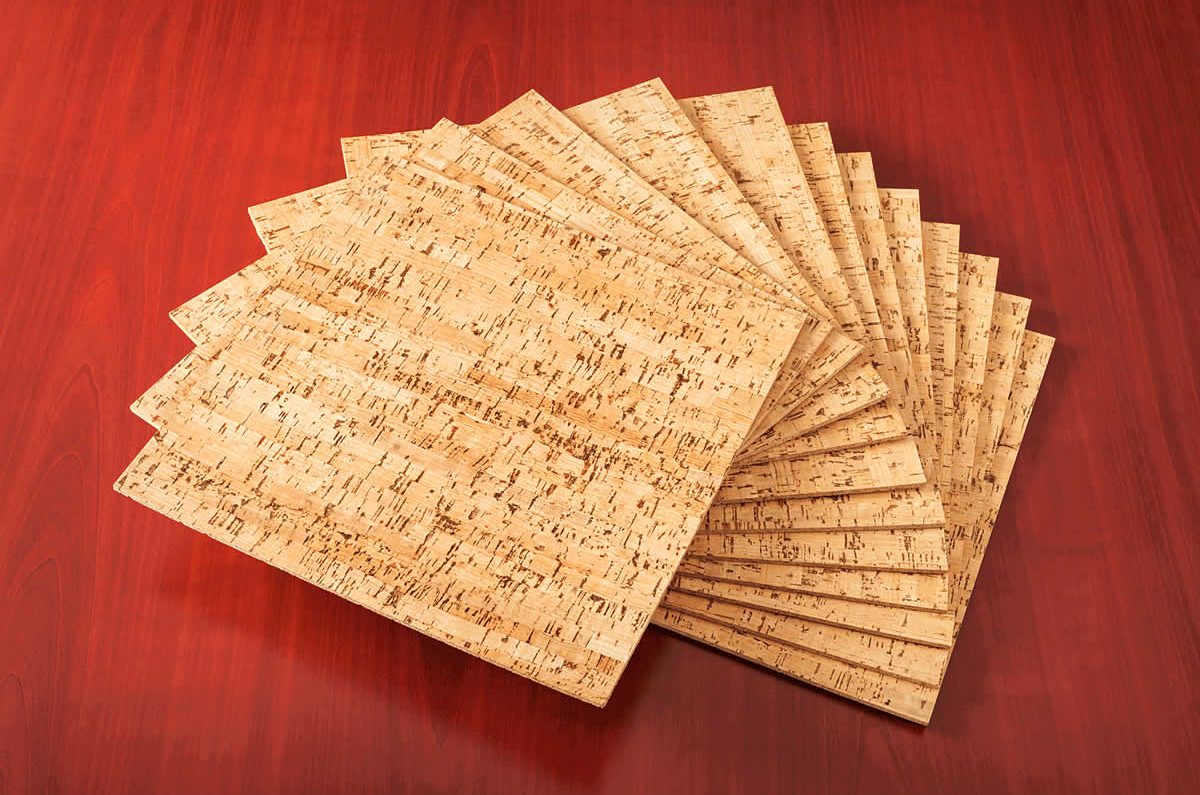
4. Materials like cork make for a great renewable flooring option. However, cork flooring may be an eighth of an inch thick – so as soon as anybody walks on it with high heels, it’s going to start leaving impressions. Are you going to be okay with these imperfections?
 Back to Journals
 Edify
Builds
Solutions
Learn how our end-to-end construction management services can help you maximize your value per square foot.